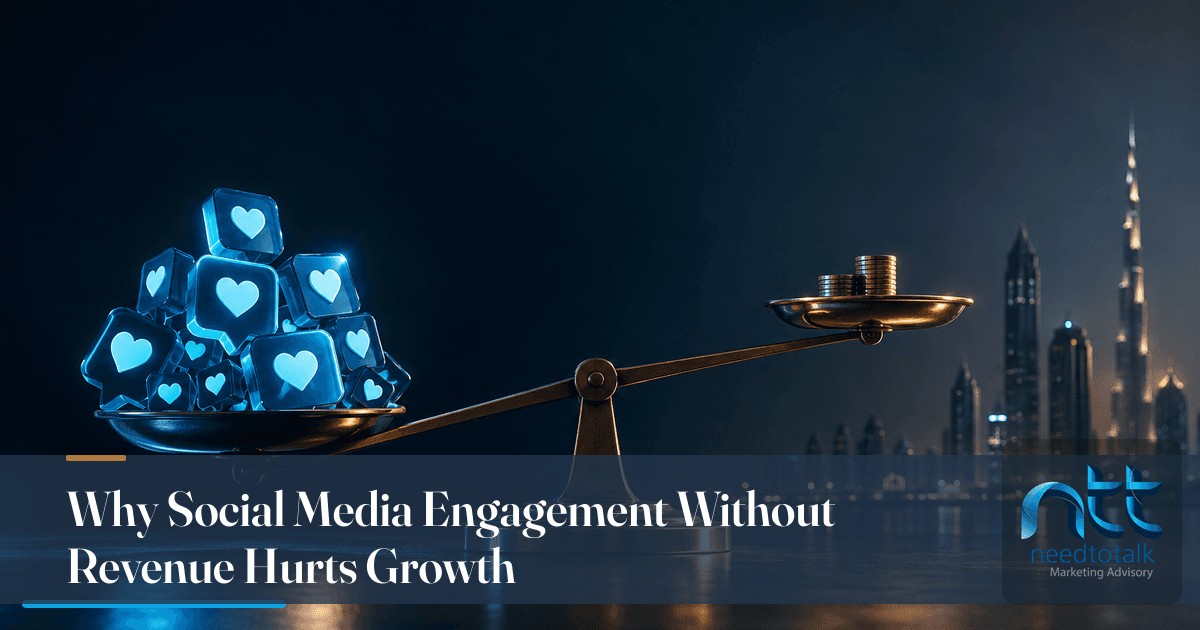
Senior leaders in Dubai, the UAE and the GCC often see a spike in website visitors and assume their SEO strategy is working. Yet, when the board asks for results, the numbers tell a different story: plenty of SEO traffic without leads or sales. The disconnect is frustrating, especially when marketing teams present positive traffic reports but commercial teams see no impact on the pipeline. This is not a technical glitch; it is a strategic misalignment that wastes resources and obscures the real drivers of business growth.
The core issue is that not all SEO traffic is created equal. Many businesses attract visitors who have no intention or ability to buy, or who are searching for information rather than solutions. The result is an inflated sense of progress, with no commercial value. Understanding why this happens—and how to fix it—requires a shift in focus from chasing volume to qualifying intent, fit and attribution.
Why High Traffic Numbers Can Be Misleading
A website dashboard showing thousands of visitors looks impressive in a board pack, but it can mask a deeper problem. If those visitors are not the right people, or if their intent does not match your offer, the traffic is little more than noise. For example, a B2B tech firm in Dubai might rank highly for broad industry terms, attracting students, job seekers or casual browsers rather than decision-makers with budget authority. This creates a false sense of achievement and can lead to complacency in the marketing strategy.
When traffic is not translating into leads or sales, it is a sign that the content or keywords are misaligned with what your commercial teams actually need. The business ends up investing in content and SEO activity that does not move the needle. Senior leaders need to look beyond surface metrics and interrogate the quality and intent of every visitor segment.
The Real Cost of Chasing the Wrong Intent
SEO, when executed without a clear commercial strategy, can become an expensive distraction. The wrong intent means you are attracting people who are not ready—or never will be ready—to buy. This is especially acute in the GCC, where decision cycles can be long and personal relationships matter. If your SEO content is optimised for generic or research-based queries, you will see traffic but little engagement from qualified prospects.
Consider this illustrative example: a Dubai-based SaaS provider ranks for "what is CRM" and sees a surge in visitors. However, these users are mostly students or early-stage researchers, not procurement heads or IT directors. The sales team receives no new qualified leads and the marketing spend delivers no commercial return. The lesson is clear: intent matters more than volume. Only by aligning SEO with buyer intent can you ensure that traffic is worth the investment.
Attribution and Fit: The Missing Links in Value Creation
Attribution is often overlooked in SEO discussions, but it is essential for understanding what actually drives revenue. Many businesses in the UAE and GCC struggle to connect website visits to closed deals. Without clear attribution, it is impossible to know which channels, campaigns or keywords are delivering value. This leads to wasted budgets and missed opportunities for optimisation.
Fit is equally critical. Even with the right intent, if the visitor profile does not match your ideal customer, the lead will not convert. For example, a logistics firm might attract traffic from outside the GCC, or from companies too small to afford its services. By using a system like Growth OS, leadership teams can track not just traffic, but the commercial fit and source of every lead, making it possible to focus investment where it counts.
The Role of Content and Conversion in Turning Traffic Into Pipeline
SEO traffic is only valuable if the website is set up to convert the right visitors into leads. Many businesses in the region invest heavily in content, but fail to guide users towards meaningful actions. This is often a result of content that is too generic, or landing pages that do not address the specific needs of senior buyers.
A practical approach is to map content to each stage of the buying journey, ensuring that every page is designed with a clear conversion goal. For instance, a B2B consultancy might create sector-specific landing pages with tailored messaging and calls to action for GCC decision-makers. This increases the likelihood that qualified visitors will engage, rather than bounce. For a deeper look at why leads may not be converting even when traffic is strong, see Why Leads Are Not Converting.
Diagnosing and Fixing the Problem: What Senior Leaders Should Do
Recognising the problem is only the first step. Senior decision-makers need a systematic way to diagnose where the disconnect is happening. This requires a blend of analytics, qualitative feedback from sales teams, and regular marketing audits. The goal is to identify whether the issue lies with keyword targeting, content quality, website experience or follow-up processes.
A structured diagnostic process might include:
- Reviewing keyword intent to ensure alignment with commercial objectives
- Analysing lead quality and attribution data to pinpoint bottlenecks
- Auditing content and landing pages for relevance and conversion focus
- Gathering feedback from sales on lead fit and readiness
By working with an advisory partner offering marketing diagnostics and audits, leadership teams can move from guesswork to evidence-based action, ensuring that every marketing pound is accountable to commercial outcomes.
Frequently asked questions
Why does my SEO traffic not generate leads or sales?
SEO traffic without leads or sales usually means your content is attracting the wrong audience or intent. Visitors may be looking for information, not solutions, or may not fit your target profile. Reviewing keyword strategy and content alignment is essential to address this gap.
How can I tell if my SEO keywords match buyer intent?
Analyse the search terms bringing visitors to your site. If they are broad or research-focused, they may not reflect commercial intent. Focus on keywords that indicate readiness to engage or buy, and monitor which terms are linked to actual conversions.
What role does attribution play in fixing this issue?
Attribution connects website visits to real business outcomes. By tracking which channels, campaigns or keywords lead to qualified leads and sales, you can focus resources on what works and stop investing in what does not deliver value.
Should I stop all SEO activity if it is not producing sales?
No, but you should refocus your SEO efforts. Audit your current strategy, prioritise commercial intent and fit, and ensure your website is optimised for conversion. Consider a structured marketing audit to identify and address the root causes.
Next steps
If you are seeing SEO traffic without leads or sales, it is time to move beyond surface metrics and focus on what drives commercial value. Start by reviewing your keyword strategy, content alignment and attribution systems. Engage your commercial teams to understand where the gaps are, and invest in diagnostics that link marketing activity to real business outcomes. To build a system where growth has an owner and every channel is accountable, book a strategy session with Need To Talk’s senior advisory team.